


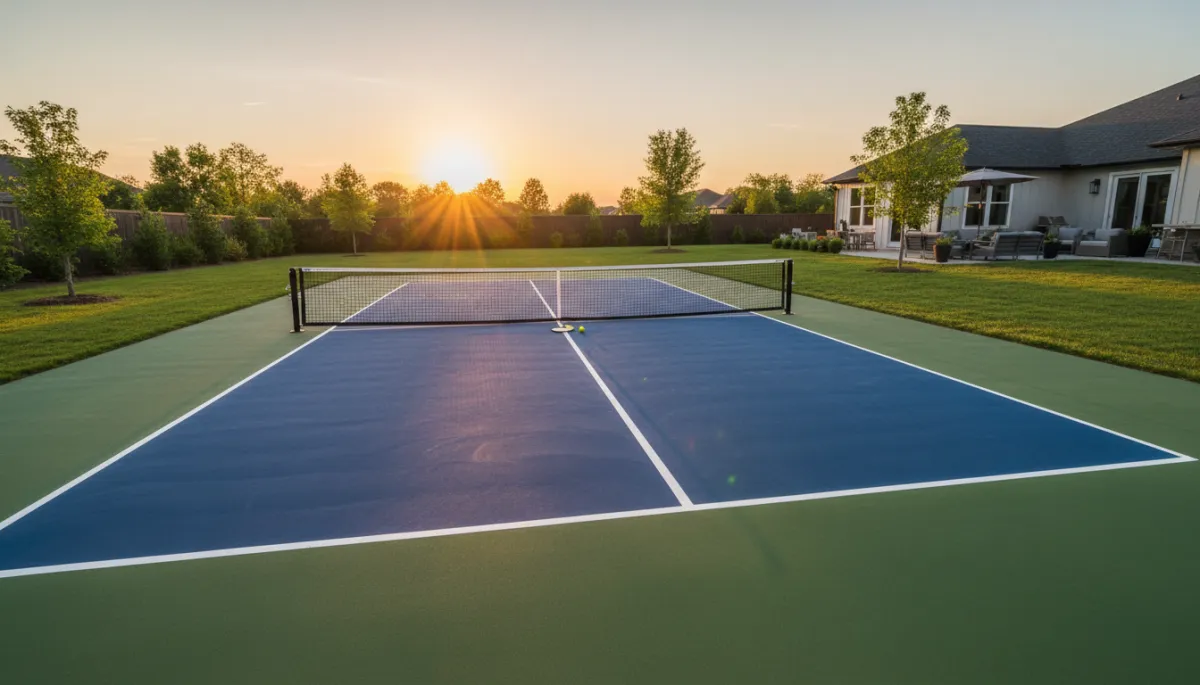
Backyard Pickleball Court Resurfacing Guide
Home Improvement, Backyard Pickleball Court Resurfacing
Backyard Pickleball Court Resurfacing: A Homeowner’s Complete Guide
If you love hosting games at home, backyard pickleball court resurfacing is one of the smartest upgrades you can make to keep play safe, smooth, and fun. Whether your court is in Georgia, the Carolinas, or anywhere across the Southeast, a well‑planned resurface protects your investment, improves ball bounce, and makes your space look brand new. In this guide, we’ll walk you through when to resurface, what the process involves, and why partnering with specialists like Ace Coatings South can help you get professional results right in your own backyard.
Why Backyard Pickleball Courts Need Resurfacing
A backyard pickleball court lives outdoors 24/7, exposed to sun, rain, temperature swings, and constant foot traffic. Over time, even a well‑built court develops hairline cracks, fading color, slick spots, and low areas where water collects. Resurfacing is the process of repairing these issues and applying new acrylic coatings so the court looks and plays like new again—without the cost of demolishing and rebuilding the slab underneath.
For homeowners, resurfacing is about more than appearance. A smooth, properly textured surface helps prevent slips and trips, improves ball consistency, and makes it more enjoyable for family and friends of all ages to play. It also protects the concrete or asphalt base from further damage, extending the life of your backyard court for years to come.
How to Tell When It’s Time to Resurface Your Court
Because resurfacing is an investment, it helps to know the signs that your court truly needs attention. Walk the entire playing area in good daylight and look, feel, and listen for these indicators:
Visible cracks or surface checking: Fine cracks can grow over time and allow water to penetrate, especially in regions with freeze–thaw cycles or intense summer heat common in the Southeast.
Peeling, flaking, or bare spots: Areas where the coating has worn thin expose the base, leading to rough patches that affect footing and ball bounce.
Puddles after rain: Standing water shows that the surface has low spots. These “birdbaths” can cause premature coating failure and slippery conditions.
Faded or confusing lines: Dull or ghosted lines make it harder to call shots, especially in evening light or for newer players learning the game.
Uneven texture: Some areas may feel slick while others are too abrasive, which can lead to slips or scraped knees during aggressive play.
If you notice several of these issues—or if your court hasn’t been resurfaced in 5–8 years—there’s a strong chance it’s ready for a professional refresh. Acting sooner rather than later usually keeps costs lower because the underlying base is still in good condition and needs less extensive repair work.
What Happens During a Pickleball Court Resurfacing Project?
For homeowners, resurfacing can feel mysterious if you’ve never watched it done before. In reality, it’s a straightforward, step‑by‑step process when handled by experienced coating professionals. While every project is unique, most backyard pickleball court resurfacing follows this general sequence:
Inspection and planning: The contractor evaluates the condition of the slab, existing coatings, drainage, and surrounding landscape. This is also when you can discuss color choices, line layout, and any custom markings you’d like for your court.
Surface cleaning: The court is thoroughly cleaned to remove dirt, mildew, loose coating, and debris. Depending on the condition, this may include power washing, mechanical scrubbing, or both to create a clean, bondable surface.
Crack and low‑spot repair: Cracks are routed, filled, and sealed with specialized materials, and depressions are leveled with patching compounds so the surface drains correctly and feels uniform underfoot.
Base and color coats: Multiple layers of acrylic surfacing system are applied to create texture, color, and cushion (if selected). These coatings are formulated for outdoor sports use, resisting UV rays and weather.
Line layout and striping: Once color coats cure, precise playing lines are measured and painted according to pickleball standards, so your backyard court feels just like a dedicated facility.
Cure time and final walk‑through: After the coatings have set, your contractor will walk the court with you, review maintenance tips, and confirm that everything meets your expectations before you start playing again.
When this process is done correctly, you end up with a backyard court that looks brand new, plays consistently, and is tailored to your home and lifestyle—from color scheme to line layout and net placement.
Choosing Surface Colors, Textures, and Layout for Home Play
One of the most enjoyable parts of resurfacing is customizing the look and feel of your court. Because this is your backyard—not a public complex—you can design a space that fits both your playing style and your home’s overall aesthetic, while still respecting recommended guidelines from organizations like USA Pickleball.
Color combinations: Many homeowners choose classic green and blue tones, but neutral grays and earth tones can blend beautifully with stone patios, pools, and landscaping. Contrasting line colors improve visibility, especially in bright sun.
Texture level: A slightly textured surface gives players grip without being overly abrasive. Your installer can help you choose a finish that balances traction with comfort for frequent play and younger children.
Single or multi‑sport layout: Some families prefer a dedicated pickleball layout, while others add blended lines for half‑court basketball or other games. Resurfacing is the perfect time to rethink how your whole family uses the space.
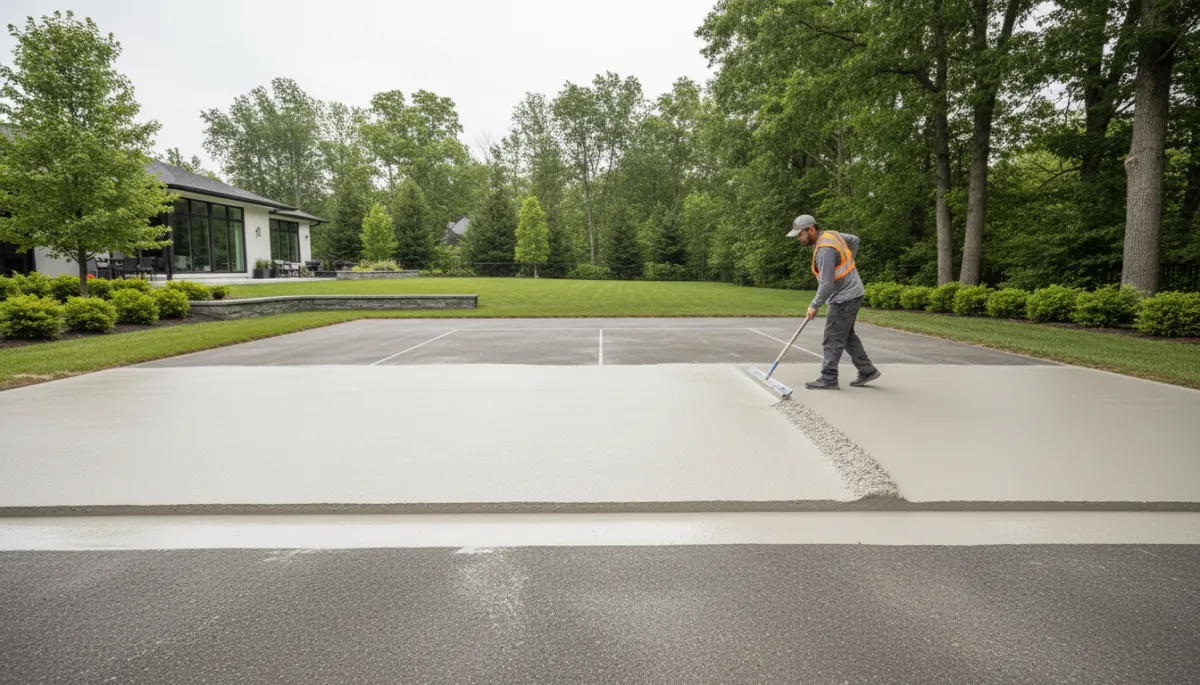
Skilled application of sport coatings creates a durable, consistent surface for home play.
Regional Considerations: Resurfacing Courts in the Southeast
Climate plays a major role in how often you’ll need to resurface and which products are best for your backyard court. Across the Southeast—Georgia, Florida, the Carolinas, Alabama, and neighboring states—courts are exposed to intense sun, high humidity, and occasional heavy storms. These conditions can accelerate fading, wear, and minor surface movement if the court isn’t properly maintained.
Working with a team that understands local soil conditions, drainage challenges, and regional weather patterns helps ensure your resurfacing system is designed to last. Proper crack repair, slope evaluation, and coating selection all contribute to a court that performs well through long summers, sudden downpours, and year‑round play common in warmer climates.
Benefits of Professional Resurfacing vs. DIY Kits
It can be tempting to tackle resurfacing as a weekend project with a basic kit, but for most homeowners, hiring professionals delivers better value over the life of the court. Sports coatings require careful mixing, correct weather conditions, and even application to perform properly. Mistakes during prep or application can lead to peeling, bubbles, or uneven texture that are difficult and expensive to fix later.
Professional installers bring specialized tools, proven systems, and experience reading the surface so they can address small problems before they become major issues. They also understand the right cure times, how to handle shaded or sunny areas, and how to create a consistent finish across the entire court. For a backyard space your family will use for years, that level of expertise is worth the investment.
Why Homeowners Choose Ace Coatings South for Backyard Courts
When you’re trusting someone with a major feature of your outdoor living space, you want a partner that focuses on quality, communication, and long‑term performance. Ace Coatings South specializes in sport surface coatings and understands the unique expectations of homeowners who host friends, neighbors, and family in their backyards.
Homeowner‑friendly planning: Clear timelines, upfront communication, and respect for your property and schedule during every stage of the project.
Attention to detail: From crack repair to line striping, each step is handled with care so your court looks sharp and plays consistently from baseline to baseline.
Guidance on design choices: Help selecting color schemes, textures, and layouts that fit your home’s architecture and the way your family uses the space.
Whether you’re resurfacing an older slab or finishing a brand‑new backyard court, working with experienced specialists gives you confidence that your investment is protected and your court will be a source of enjoyment for years to come.
Caring for Your Resurfaced Backyard Pickleball Court
Once your court has been resurfaced, a little routine care goes a long way toward preserving its fresh look and playability. Fortunately, ongoing maintenance is simple for most homeowners and can be built into your normal yard‑care routine.
Regular cleaning: Sweep or blow off leaves, twigs, and dirt that can trap moisture or stain the surface. A gentle rinse with a garden hose helps keep the colors vibrant.
Avoid harsh chemicals: Skip strong solvents or stiff wire brushes that can damage coatings. Mild detergent and soft bristles are usually enough for spot cleaning.
Watch for drainage issues: After heavy rain, check for new puddles or areas where water lingers. Addressing small drainage concerns early protects your resurfacing investment.
Use court‑friendly equipment: Choose non‑marking shoes and avoid dragging heavy furniture or metal objects across the surface to prevent unnecessary wear.
With these simple habits, many homeowners enjoy 5–8 years or more of great play between resurfacing cycles, depending on climate and frequency of use.
Ready to Resurface? Next Steps for Homeowners
If your backyard pickleball court is showing its age—cracks, fading, slick spots, or confusing lines—resurfacing is an effective way to bring it back to life without starting from scratch. Begin by walking your court, noting any problem areas, and thinking about how you’d like the space to look and feel when the project is complete. Consider color combinations that complement your home, whether you want lighting or seating nearby, and how often you and your family play.
Then, reach out to experienced sport‑surface professionals who understand residential projects and local conditions. You can contact us at Ace Coatings South to discuss your court, request an on‑site evaluation, and explore resurfacing options tailored to your backyard. With the right plan and expert installation, your court can quickly become the centerpiece of your outdoor living area again—ready for friendly matches, family tournaments, and years of pickleball memories at home.
