

Professional Pickleball Court Painting for Southern Utah Properties
A court may look like it only needs fresh color, but Choosing the Right Pickleball Court Painter is really about protecting the playing surface, improving safety, and extending the life of the entire court system. In Southern Utah, where intense sun, high temperatures, dust, and seasonal storms can be tough on outdoor surfaces, professional court painting requires far more than standard exterior paint.
Pickleball courts need sport-specific acrylic coatings that are designed for traction, ball response, color stability, and outdoor durability. These coatings are typically applied in layers and may include textured silica sand to create controlled grip. That texture helps players stop, pivot, and move confidently without making the surface overly abrasive.
A good court finish should look sharp, but appearance is only one part of the job. The surface should drain properly, resist peeling, reduce slipping, and maintain clear line visibility. When the coating system is applied correctly, the court becomes safer, more consistent, and easier to maintain over time.
Why Choosing the Right Pickleball Court Painter Matters in Southern Utah
Southern Utah’s climate creates unique demands for pickleball courts. Long stretches of sun exposure can fade low-quality coatings. Heat can make poorly bonded materials soften, blister, or peel. Windblown dust can settle into worn surfaces. Sudden storms can expose low spots where water collects and slowly damages the coating.
That is why court painting should be treated as a sports-surface project, not a basic painting job. A qualified court painter understands how to evaluate the existing base, clean the surface, repair defects, apply acrylic materials, and stripe accurate game lines.
The right professional should assess:
Surface age and coating condition
Cracks, peeling, or delamination
Low spots where water collects
Previous coatings or sealers
Asphalt or concrete substrate
Drainage around the court
Sun exposure and color selection
Player use and desired texture
Ace Coatings South can help property owners look beyond color and evaluate whether the surface is ready for coating. That matters because even premium acrylic materials will not perform well if they are applied over dirt, moisture, loose coatings, or unstable cracks.
How Choosing the Right Pickleball Court Painter Improves Safety and Grip
Player safety begins with traction. A pickleball court needs enough grip for quick side-to-side movement, but not so much texture that it creates harsh footing or unnecessary shoe wear. Sport acrylic coatings are designed to strike that balance.
Professional installers control texture by using the right coating system, mixing methods, and application techniques. Many court coatings include silica sand or similar texturing agents. When applied evenly, this creates a non-slip surface that supports fast movement and consistent play.
Poor application can create slick patches, rough sections, roller marks, or uneven texture. These issues can affect safety and playability. A court may look finished from a distance but still feel inconsistent underfoot.
Color also affects the player experience. Strong contrast between the playing area, kitchen, sidelines, and out-of-bounds zones helps players read the court quickly. In bright Southern Utah sun, thoughtful color choices can improve visibility and reduce glare.
What Choosing the Right Pickleball Court Painter Means for Surface Prep
Preparation is the most important part of the job. A clean, stable surface gives acrylic coatings the best chance to bond properly. Skipping prep may lower the initial price, but it can shorten the life of the finish and lead to early peeling, bubbling, cracking, or uneven wear.
Surface preparation may include pressure washing, scraping loose coatings, removing contaminants, repairing cracks, patching low spots, and allowing the court to dry fully before coating. If the court has birdbaths, or shallow depressions that hold water, those areas should be identified and corrected before finish coats are applied.
A proper court painting process often includes:
Inspecting the court for cracks and low areas
Cleaning dust, debris, mildew, and loose material
Repairing cracks with compatible sport-surface materials
Leveling shallow depressions where possible
Applying resurfacer coats when needed
Installing textured acrylic color coats
Painting precise pickleball lines
Allowing proper cure time before play
Concrete courts may require additional attention because moisture vapor can interfere with coating adhesion. Asphalt courts may bond well with acrylic systems, but they still need cleaning, crack repair, and proper surface preparation. The installer should understand how each base behaves in hot, dry, and sunny environments.
Ace Coatings South is included in this discussion because court painting is closely tied to resurfacing knowledge. The best results come from understanding how coatings, base materials, drainage, and climate work together.
Why Choosing the Right Pickleball Court Painter Helps Prevent Peeling and Fading
Peeling usually happens when the coating cannot bond properly to the surface. Common causes include trapped moisture, dust, oil, loose old coatings, incompatible sealers, or application during poor weather conditions. In Southern Utah, extreme heat can also complicate installation if materials dry too quickly before they level and bond correctly.
Fading is another concern. Standard exterior paint is not made for athletic movement, ball bounce, or constant UV exposure. Sport acrylic coatings are designed for outdoor courts and can maintain color and texture longer when properly installed and maintained.
A professional installer should pay attention to weather windows. Coatings need appropriate surface temperature, air temperature, and dry conditions. Painting too early after rain, too late in the day, or during excessive heat can affect the final result.
This is where experience matters. A qualified court painter knows when to proceed, when to pause, and how to protect the quality of the surface rather than rushing the schedule.
How Choosing the Right Pickleball Court Painter Protects Long-Term Value
A pickleball court is a meaningful investment, whether it belongs to a homeowner, HOA, school, park, resort, or recreation facility. A professional coating system helps protect that investment by improving surface durability, playability, and appearance.
Line striping is a major part of that value. Pickleball lines need to be accurate, crisp, and easy to read. The kitchen, sidelines, baselines, and service areas must be measured carefully so players can trust the layout during casual and competitive games. USA Pickleball is commonly referenced for standard court dimensions and layout guidance.
For multi-sport spaces, line planning becomes even more important. A court that combines tennis, basketball, and pickleball can be useful, but too many bold lines can create confusion. Experienced installers can recommend line colors and layouts that keep each sport readable without overwhelming the surface.
Professional painting can also support court upgrades, such as:
Resurfacing an aging court
Adding pickleball lines to a tennis court
Creating a dedicated pickleball layout
Refreshing faded or worn color coatings
Improving traction on slick areas
Adding cushioned layers for comfort
Re-striping inaccurate or faded lines
Cushioned systems may be worth considering for courts used frequently by older players or families. These systems add rubberized layers beneath the color coats to create a more forgiving feel. They cost more than standard acrylic coatings, but they can improve comfort during repeated play.
Questions to Ask When Choosing the Right Pickleball Court Painter
Before hiring a court painter, ask questions that reveal whether they truly understand sport surfaces. A low quote is not helpful if it skips cleaning, crack repair, resurfacer coats, or proper striping.
Helpful questions include:
Do you specialize in sports courts or general painting?
What coating system do you use?
How do you prepare cracks and low spots?
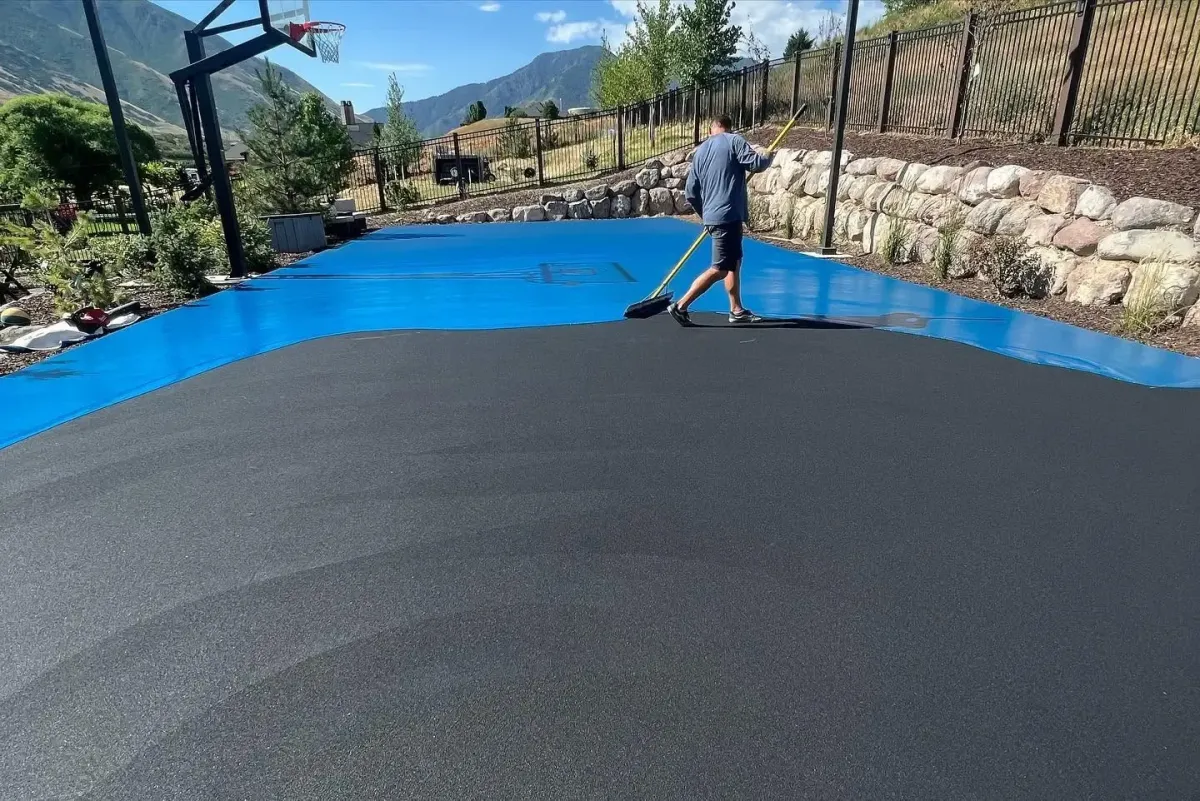
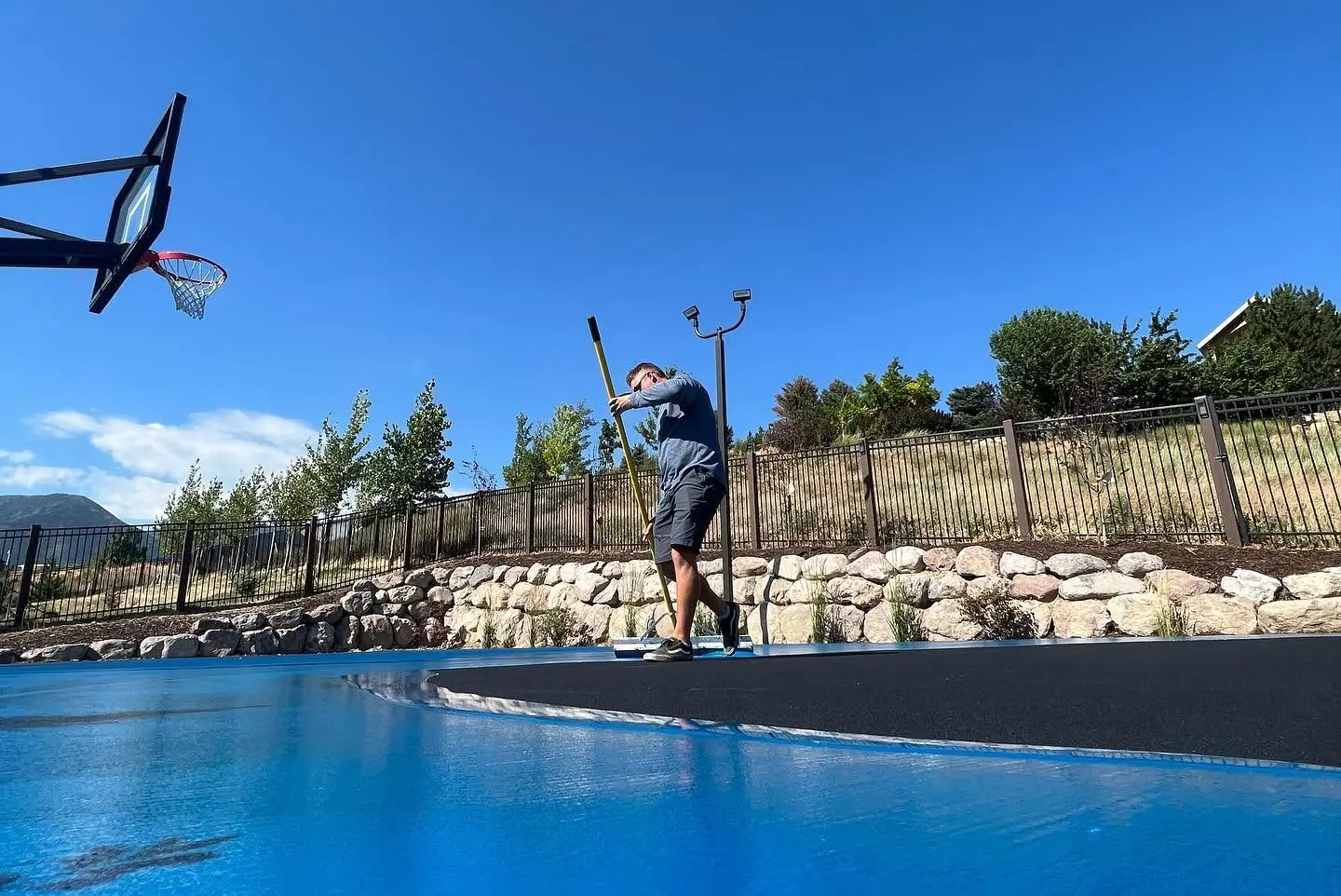
Do you apply coatings with sport-surface squeegee methods?
How do you determine the correct surface texture?
What weather conditions do you require for installation?
Can you show examples of older completed courts?
How long should the surface cure before play?
What maintenance routine do you recommend?
Maintenance should also be part of the conversation. After painting, the court should be kept clean and free of debris. Dust, leaves, and organic material can hold moisture and wear down the coating. Sprinklers should not spray directly onto the surface, and harsh chemicals should be avoided.
A practical care routine includes sweeping or blowing off debris, rinsing the surface when needed, checking for cracks, and addressing small issues before they grow. Depending on use and exposure, resurfacing may be needed every several years to restore texture, color, and line clarity.
Ace Coatings South can be part of that long-term planning conversation because the best court finish is not just about how the surface looks today. It is about how it plays, wears, drains, and holds up under real Southern Utah conditions.
A properly painted pickleball court should offer more than vibrant color. It should provide confident footing, clear boundaries, consistent play, and lasting protection for the court base. By choosing a qualified sport-surface professional, property owners can avoid premature peeling, poor traction, faded lines, and costly repairs.
