


Concrete Slab for a Pickleball Court: What You Need to Know
Dreaming of the perfect pickleball game in your backyard or facility? While the colorful surface and net get most of the attention, the most important part of your investment is the foundation beneath your feet. A concrete slab for pickleball court construction determines whether your court delivers decades of enjoyment or becomes a costly lesson in shortcuts.
Many property owners assume a pickleball court slab is similar to a driveway or patio. In reality, it is a precision-built athletic foundation that must meet strict flatness, strength, and drainage standards. Getting this right protects the acrylic playing surface, ensures consistent ball bounce, and minimizes long-term maintenance. This guide explains what separates a professional pickleball court slab from ordinary concrete so you can invest with confidence.

Concrete Slab for Pickleball Court Preparation Starts Below Ground
No concrete slab—no matter how strong—can remain stable if the soil beneath it shifts. Proper ground preparation is the single most important step in preventing cracks, settling, and drainage problems.
Concrete Slab for Pickleball Court Sub-Base Requirements
A professional installation begins with a compacted sub-base, typically four to six inches of crushed, angular gravel. Unlike rounded stone, angular gravel locks together when compacted, creating a stable platform that distributes weight evenly and promotes drainage.
This step cannot be rushed. Simply spreading gravel is not enough; it must be mechanically compacted in layers using professional equipment. Contractors with real court experience, such as Ace Coatings South, emphasize sub-base integrity because failures here almost always lead to slab movement later.
Soil Stability and Drainage
The sub-base also plays a major role in drainage. Water trapped beneath a slab creates hydrostatic pressure, increasing the likelihood of cracking and surface damage. Proper grading and compaction allow moisture to move away from the slab instead of pooling beneath it.
Professionals like Ace Coatings South evaluate soil conditions before construction, adjusting base depth and preparation methods based on local ground composition—a factor that separates specialists from general concrete contractors.

Concrete Slab for Pickleball Court Structural Reinforcement Matters
Once the ground is properly prepared, the focus shifts to what goes inside the slab itself. Reinforcement and moisture control are essential for long-term performance.
Rebar and Vapor Barriers
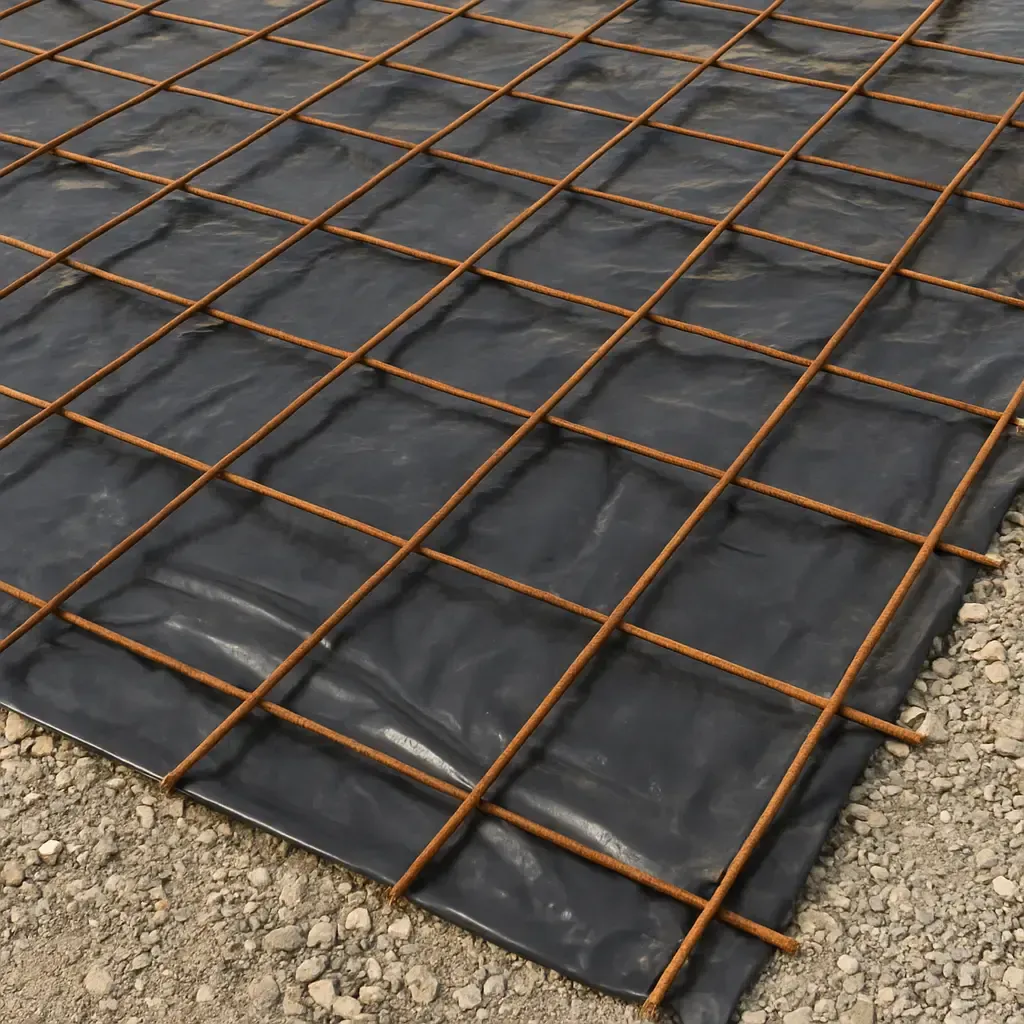
Concrete is strong under compression but weak under tension. To compensate, a rebar grid is installed within the slab to act as its internal skeleton. Rebar is far superior to wire mesh and helps prevent minor cracks from expanding into structural failures.
Equally important is the vapor barrier—a heavy plastic sheet installed beneath the slab. This barrier blocks ground moisture from rising through the porous concrete. Without it, trapped moisture can damage the acrylic surface, causing bubbling and peeling that require expensive repairs. Experienced builders like Ace Coatings South treat vapor barriers as non-negotiable for pickleball courts.
Concrete Strength Standards
Not all concrete mixes are created equal. For pickleball courts, a minimum strength of 4,000 PSI is recommended. This higher-strength mix resists cracking, surface flaking, and freeze-thaw damage far better than standard residential concrete.
Cutting costs by using weaker concrete is one of the most common and costly mistakes. Facilities that follow guidance aligned with USA Pickleball standards understand that slab strength directly impacts playability and lifespan.
Finishing and Curing Is Critical
Even with perfect preparation and materials, poor finishing or rushed curing can ruin a court before it’s ever played on.
Slope and Surface Finish
Pickleball courts require a precise slope—typically about one percent—to ensure proper drainage. This slope is subtle and invisible during play but essential for preventing puddles that disrupt games and damage the surface.
Instead of a smooth, polished finish, contractors apply a light broom finish. This texture creates the ideal bonding surface for acrylic coatings. Professionals like Ace Coatings South understand that a slab that looks “too smooth” is actually a problem waiting to happen.
Concrete Slab for Pickleball Court Curing Time and Control Joints
Concrete gains strength through curing, not drying. A full 28-day curing period is required before any acrylic surfacing is applied. Coating too early traps moisture, almost guaranteeing surface failure later.
During curing, control joints are strategically cut into the slab. These joints manage natural expansion and contraction, guiding cracks into clean, planned lines instead of random fractures across the court. Skilled installers—including teams at Ace Coatings South—design joint placement to align with court layout and aesthetics.
Your Contractor Vetting Checklist for a Long-Lasting Court
Before construction begins, make sure your contractor can clearly answer these questions:
What sub-base depth and material will you use, and how will it be compacted?
Will you install a rebar grid instead of wire mesh?
Is a vapor barrier included beneath the slab?
What PSI concrete mix will be used?
How will court slope and drainage be verified?
What surface finish will be applied before coating?
How will curing time and control joints be managed?
Clear, confident answers indicate real expertise rather than guesswork.
Building for Decades of Play
A pickleball court is only as good as the slab beneath it. When built correctly, the foundation quietly supports years of consistent bounce, safe footing, and low maintenance. When built incorrectly, it becomes an expensive problem that no resurfacing can fix.
Working with specialists who understand the unique demands of pickleball construction—such as Ace Coatings South—ensures your investment delivers long-term value instead of short-term savings.
Contact us at Ace Coatings South to learn how professional planning, engineering, and installation can create a concrete slab built for decades of pickleball enjoyment.
