


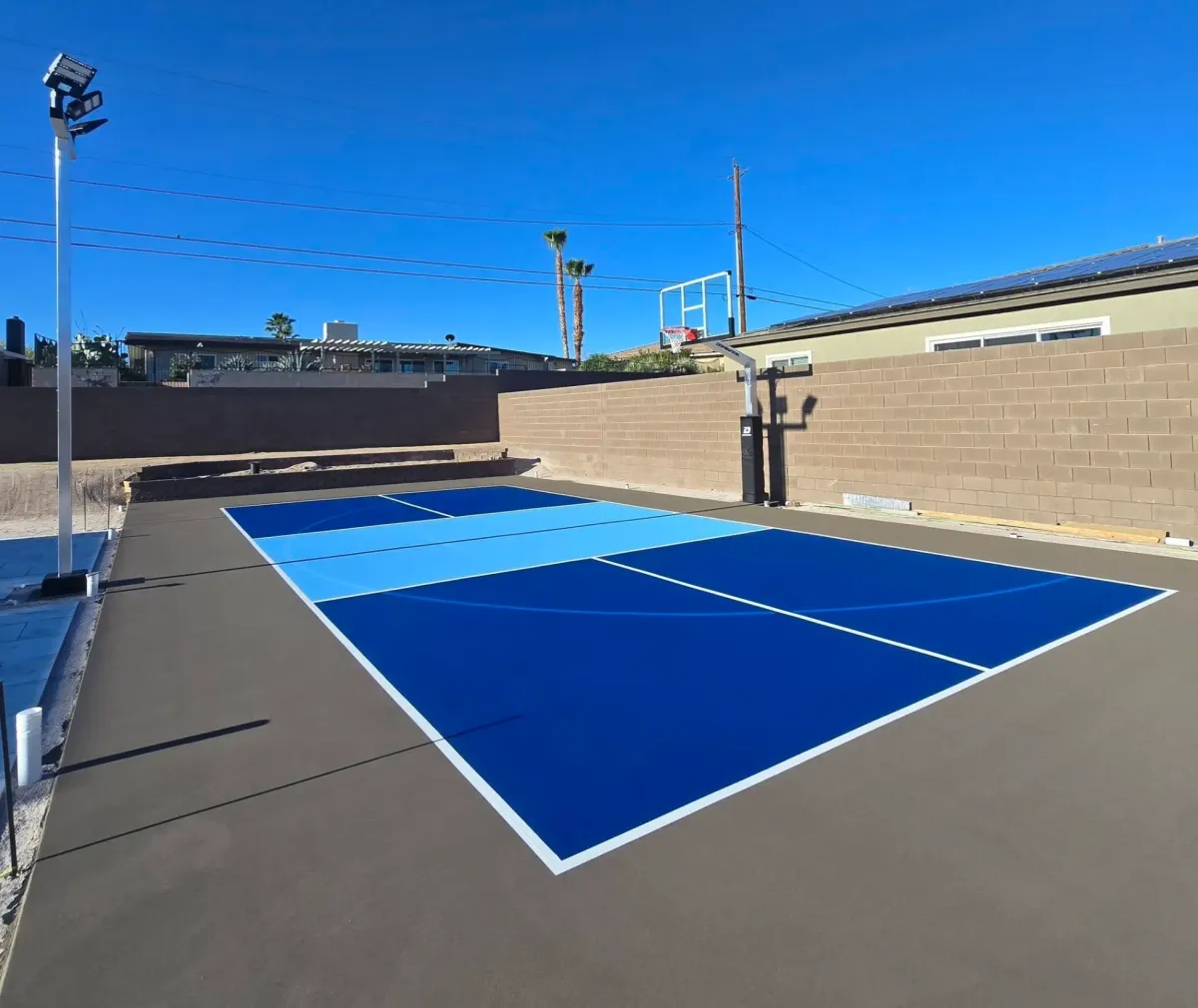
Creating a Backyard Court That Plays Better and Lasts Longer
Building a pickleball court at home can turn an ordinary backyard into a reliable place for exercise, family time, and social play. But a high-quality court is more than a slab, a net, and painted lines. It needs the right dimensions, drainage, base material, surface coating, lighting plan, and long-term maintenance strategy. With thoughtful planning, homeowners can create a court that feels professional, protects players, and holds up through years of outdoor use.
Pickleball’s popularity has made public courts harder to access in many communities. Long waits, crowded parks, and limited reservation windows can make it difficult to play consistently. A private court solves that problem by giving players convenient access on their own schedule.
Still, convenience should not come at the expense of quality. A court that is rushed or poorly designed can develop cracks, puddles, slick areas, faded coatings, and uncomfortable playing conditions. The best results come from treating the project like a permanent outdoor sports surface, not a weekend painting job.
For homeowners working with Ace Coatings South, the planning process should begin with the full site, not just the playing lines. Soil conditions, sun direction, drainage, available space, fencing, and future use all influence how the finished court performs.
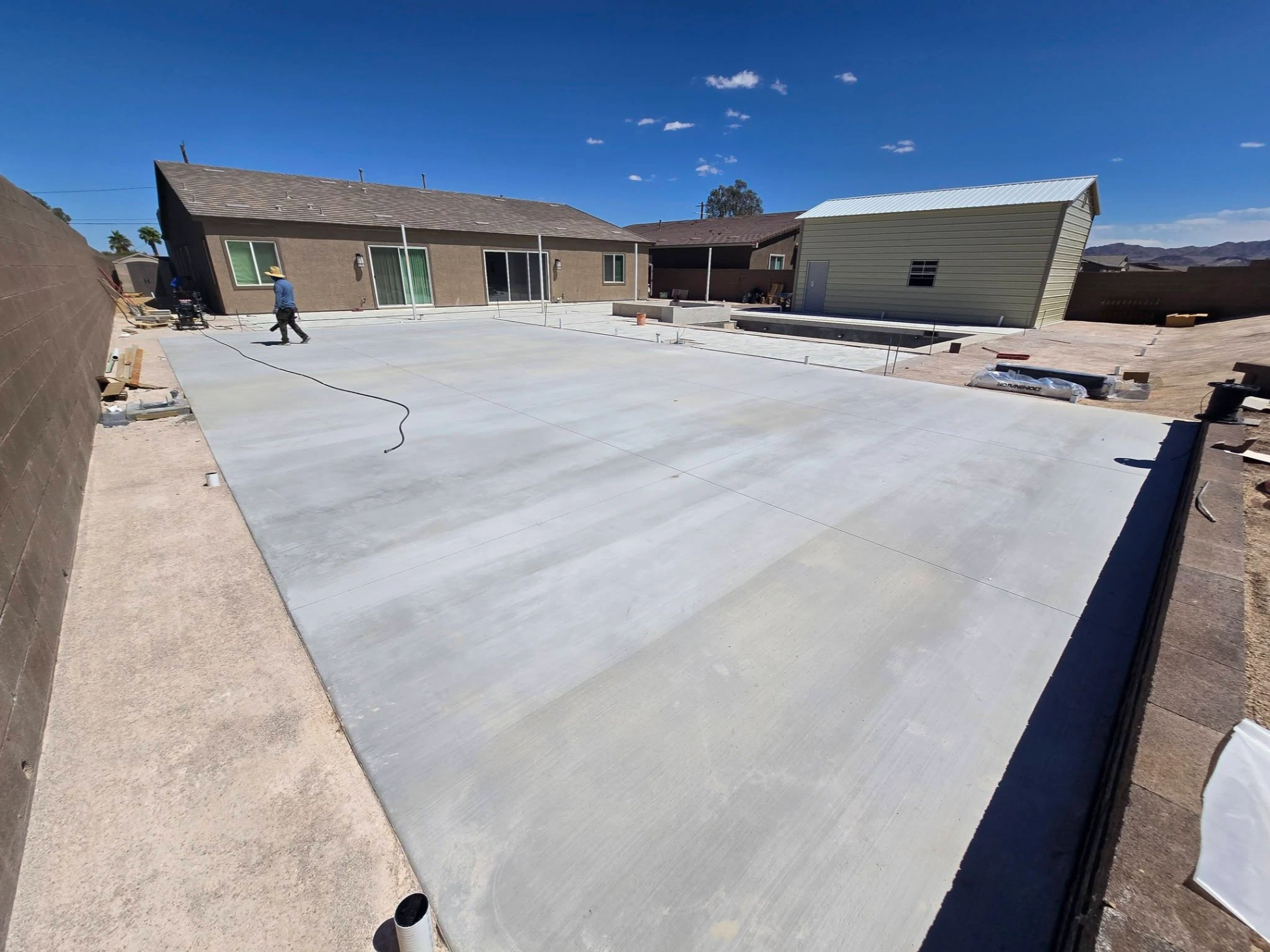
Planning a pickleball court at home starts with space and dimensions
The official pickleball playing area measures 20 feet wide by 44 feet long. That same size is used for both singles and doubles play, which makes the sport more space-efficient than tennis. In fact, multiple pickleball courts can fit within the footprint of one traditional tennis court.
However, the painted lines are not the same as the total space needed. Players need room to move beyond the court boundaries. A deep return may carry someone behind the baseline. A sharp angle may pull a player outside the sideline. Without enough run-off space, a court can feel cramped and unsafe.
For most residential projects, a total footprint of at least 30 feet by 60 feet is a practical minimum. When the property allows, 34 feet by 64 feet provides a more comfortable playing area. Larger layouts may be preferred for competitive play, frequent doubles matches, or courts that will serve multiple skill levels.
A good site evaluation should look at:
Available flat space
Distance from fences, walls, patios, and landscaping
Safe player run-off zones
Access for construction equipment
Drainage direction after rain
Sun exposure throughout the day
Room for lighting, seating, or storage
Local zoning, HOA, or setback requirements
These details matter because a court can technically fit on a property and still be uncomfortable to use. A fence placed too close to the baseline can limit movement. A nearby retaining wall can create safety concerns. Poorly placed landscaping can interfere with wide shots. Professional planning helps prevent those issues before construction begins.
Why a pickleball court at home needs more than painted lines
A common mistake is assuming that any flat driveway or concrete pad can become a permanent court with tape or paint. Temporary lines can be useful for testing a layout, but they do not replace proper sports surfacing.
A permanent court needs a stable foundation, controlled slope, and a coating system designed for athletic movement. The surface should support consistent ball bounce, reliable traction, and safe footwork. If the base has low spots, cracks, or uneven texture, the finished court will reflect those problems.
The court should also be oriented carefully. A north-south layout is generally preferred because it helps reduce direct sun glare during morning and late-afternoon play. If the property forces an east-west layout, homeowners may need to think more carefully about play times, shade, windscreens, or glare reduction.
Line accuracy is another important factor. USA Pickleball recognizes the 20-by-44-foot court size and standard court zones, but those measurements must be transferred correctly to the actual surface. Even small layout errors can affect serves, kitchen play, and overall fairness.
Building a pickleball court at home requires the right base and surface
The base is one of the most important parts of the project because it supports everything above it. If the base shifts, cracks, holds water, or drains poorly, the acrylic surface will eventually show damage. A good court starts with soil preparation, grading, compaction, and the right structural material.
The site should be cleared of grass, roots, debris, loose soil, and organic material. From there, the ground is shaped and compacted to create a stable sub-base. In areas where water collects, drainage improvements may be needed before the court is poured.
Drainage is especially important. Water should move off and away from the court, not sit on the surface or collect beneath the slab. Standing water can create slippery spots, stain coatings, weaken pavement, and accelerate cracking. A slight slope is typically built into the court so rainwater can leave the playing area without disrupting play.
Homeowners often compare asphalt and concrete for the base.
Asphalt may cost less upfront and can be a practical choice for some projects. However, it may require more maintenance over time and can be more vulnerable to softening, oxidation, and surface movement.
Concrete usually requires a higher initial investment, but it often provides better long-term stability when installed correctly. Post-tensioned concrete may be recommended for premium courts because internal cables help control cracking and improve durability.
The right option depends on the site, budget, climate, expected use, and long-term goals. A residential family court may not need the same specifications as a club or community facility, but it still needs proper engineering.
Choosing materials for a pickleball court at home that can handle real play
Raw concrete or asphalt is not ideal as a final playing surface. It may be too slick, too rough, too hot, or too inconsistent for comfortable play. A professional acrylic coating system is designed specifically for outdoor sports courts.
A typical court surfacing system may include:
Cleaning and surface preparation
Crack filling or patching where needed
Acrylic resurfacer
Textured coating layers for traction
Color coats for visibility and UV resistance
Precision striping for regulation play
Texture is especially important. Players need enough grip for quick starts, stops, and lateral movement, but the surface should not feel overly abrasive. The coating also affects ball response. A properly finished court helps the ball bounce predictably instead of skidding or dying in uneven spots.
Some homeowners also choose cushioned acrylic systems. These include additional rubberized layers that help reduce impact on joints. Cushioning can be valuable for frequent players, older adults, families, or anyone who wants a more comfortable playing experience.
Color selection should be practical as well as attractive. Strong contrast between the playing area and the perimeter helps players track the ball and see the lines clearly. In hot climates, color can also affect surface temperature and comfort.
This is where experienced input from Ace Coatings South can help homeowners compare options without overbuilding or underbuilding the court. The goal is to match the surface system to how the court will actually be used.
Finishing a pickleball court at home with lighting, fencing, and maintenance
Once the foundation and surface are planned, the surrounding features complete the experience. Fencing, lighting, noise control, seating, and maintenance access can all affect how useful the court becomes.
Fencing helps keep balls contained and protects nearby property. It also gives the court a more finished look. For many residential courts, chain-link fencing with optional windscreens is a practical choice. Windscreens can improve privacy, reduce wind interference, soften the visual appearance of fencing, and help define the court area.
Lighting is another valuable upgrade. Evening play is often more comfortable during warm seasons, but lighting must be designed carefully. Poorly placed fixtures can create glare, shadows, and light spillover onto neighboring properties. LED sports lighting should be positioned to illuminate the court evenly without shining directly into players’ eyes.
Noise should also be considered, especially in residential areas. Pickleball has a distinct sound, and repeated play can carry across property lines. Homeowners can reduce potential conflicts by using smart court placement, windscreens, landscaping buffers, acoustic materials, and considerate play hours.
A finished court may also include:
Permanent or portable net systems
Benches or shaded seating
Paddle and ball storage
Walkways to prevent dirt from tracking onto the surface
Drainage features around the perimeter
Gates placed away from active play zones
Optional multi-sport striping
A portable net can be useful when the paved area needs to serve more than one purpose. A permanent net system creates a cleaner, more professional setup but limits flexibility. Both options can work well depending on how the space will be used.
Maintaining a pickleball court at home for long-term value
Good maintenance protects the investment and keeps the court enjoyable. Outdoor courts are exposed to sun, rain, dirt, leaves, pollen, and foot traffic. Over time, debris can stain the surface, hold moisture, and reduce traction.
Basic maintenance should include regular sweeping or blowing, gentle cleaning when dirt builds up, and quick removal of leaves or organic material. Pressure washing should be done carefully because aggressive washing can damage coatings or force water into weak areas.
Homeowners should also watch for early signs of wear, including:
Hairline cracks
Low spots that hold water
Fading color
Slick areas
Peeling or bubbling coatings
Loose net hardware
Fence or gate movement
Catching small issues early can prevent larger repairs later. Depending on use and exposure, acrylic courts may eventually need resurfacing to restore color, texture, and playability. A well-maintained surface will look better, play better, and provide a safer experience.
Budget expectations should also be realistic. The cost of a residential court can vary widely based on site preparation, grading, drainage, base material, surfacing system, fencing, lighting, and accessories. A simple build on a prepared site will cost less than a full turnkey project that requires excavation, retaining work, drainage correction, premium coatings, and lighting.
Even with those variables, a professionally built court can add meaningful lifestyle value. It creates a dedicated space for recreation, fitness, family gatherings, and neighborhood play. For some properties, it may also improve market appeal by adding a unique outdoor amenity.
A private court is at its best when it is designed for daily life. It should be easy to access, comfortable to play on, safe to move around, and durable enough to handle weather and regular use. With the right planning, it becomes more than a backyard feature. It becomes a place where people gather, compete, exercise, and build memories.
For homeowners ready to improve their outdoor space, Ace Coatings South can help turn a basic idea into a court that is properly planned, professionally surfaced, and built for long-term enjoyment.
