

Cost to Resurface Pickleball Court in Nevada
Home Improvement, Pickleball Court Resurfacing
How Much Does It Cost to Resurface a Pickleball Court in Nevada?
If you own a pickleball court in Nevada, resurfacing is one of the most important maintenance projects you will tackle. It keeps the court safe, attractive, and playable in the face of intense sun, temperature swings, and heavy use. But how much should you realistically expect to spend to resurface a pickleball court in Nevada in 2026?
Typical Cost to Resurface a Pickleball Court in Nevada
Based on recent pricing from Nevada court contractors and national industry data, most homeowners and facility owners can expect to pay between $4,000 and $8,500 per court for a professional acrylic resurfacing job in Nevada, assuming the concrete or asphalt base is still in good shape.
Local specialists in areas like Mesquite and North Las Vegas commonly quote $4,000–$8,500 per court for a full resurface that includes patching minor imperfections, restoring texture, adding fresh color coats, and re-striping the lines. In Reno and northern Nevada, similar projects generally fall in the $4,000–$8,000 range, depending on surface condition and climate-related wear.
Nationally, resurfacing prices can run higher—often listed as $5,000–$12,000 or even up to $15,000 when significant crack repair or structural work is required. In Nevada, however, most straightforward resurfacing projects for a single pickleball court stay within that $4,000–$8,500 sweet spot when the base slab is sound.
What Does “Resurfacing” Actually Include?
Resurfacing is more than just rolling on a coat of paint. A standard acrylic resurfacing for a pickleball court in Nevada typically includes:
Cleaning and power washing the existing surface to remove dust, sand, and debris from the desert environment
Patching small cracks, birdbaths (low spots), and surface flaws so water does not pool after rare but intense Nevada storms
Applying one or more acrylic resurfacer coats to restore a smooth, consistent base layer with good traction
Adding color coats in your chosen scheme, often with UV-resistant and heat-reflective properties to handle Nevada’s sun
Re-striping pickleball lines to match USA Pickleball guidelines for layout and dimensions
📌 Key Takeaway: When you compare quotes, make sure each contractor includes cleaning, repairs, acrylic layers, and line striping so you are comparing full resurfacing packages—not just a quick recolor.
Factors That Affect Your Resurfacing Cost in Nevada
Even within the $4,000–$8,500 range, several variables can push your project toward the high or low end of the spectrum. Understanding these will help you budget more confidently and ask the right questions when you request quotes.
1. Current Condition of the Court
A relatively smooth, structurally sound court with light fading and minor hairline cracks will be much cheaper to resurface than a slab with wide cracks, heaving from tree roots, or serious drainage problems. The more patching and leveling needed, the closer your project may get to the $8,000–$12,000 range per court.
2. Nevada’s Harsh Climate and Coating Choices
Nevada courts endure intense UV exposure, hot surfaces, and, in some regions, freeze–thaw cycles. Many owners choose premium acrylic systems with UV-resistant and heat-reflective properties to keep the playing surface cooler and extend its life. These upgraded coatings cost more upfront but can stretch resurfacing cycles to 5–8 years in southern Nevada and up to 10–12 years for post-tensioned concrete courts in cooler northern areas.
3. Custom Colors and Line Layouts
Standard two-color schemes and simple pickleball-only striping usually fall at the lower end of the cost range. If you want multi-sport lines, custom color combinations, logos, or branding, expect a higher price because of added labor and materials.
4. Access, Location, and Contractor Rates
Courts in dense neighborhoods, gated communities, or hillside properties can be harder for crews and equipment to access, which may slightly raise labor costs. Rates also vary between metro areas like Las Vegas or Reno and smaller communities, though most Nevada projects still land within the same general resurfacing range.
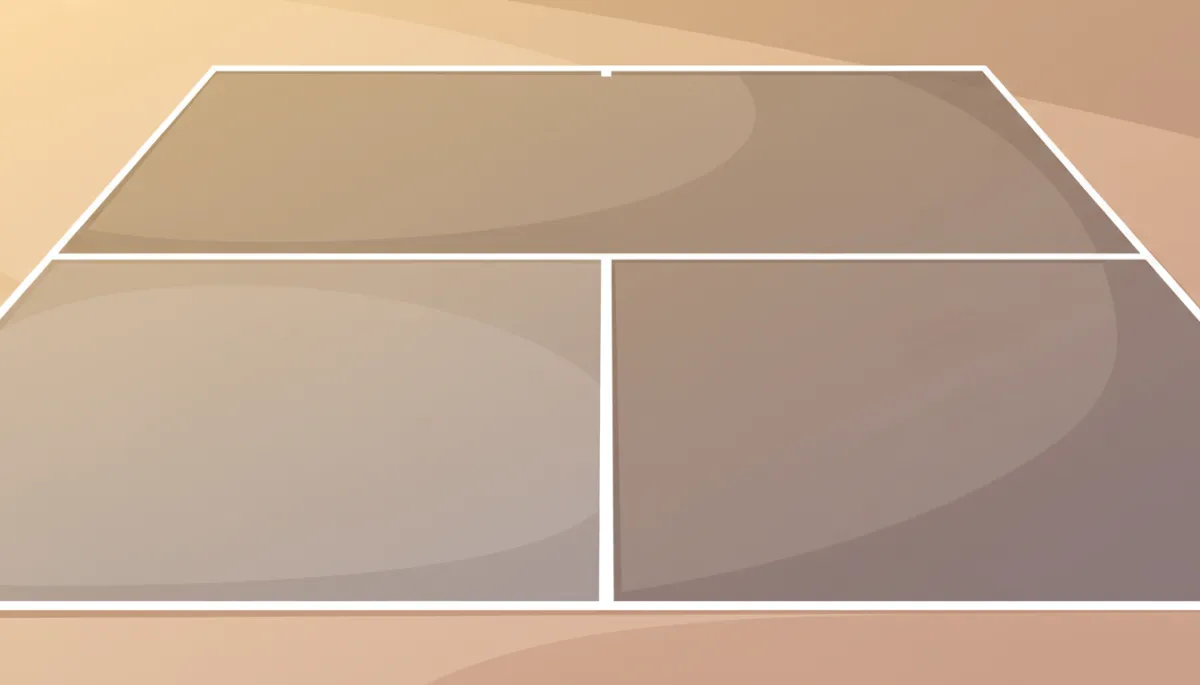
A quality acrylic resurface improves traction, ball bounce, and overall playing comfort.
How Often Will You Need to Resurface?
In Nevada, a well-built pickleball court that is properly maintained typically needs resurfacing every 4–8 years for asphalt and roughly every 5–8 years for post-tensioned concrete in southern regions. Northern Nevada’s freeze–thaw cycles can shorten that interval for asphalt courts to 4–6 years unless premium systems are used.
Spreading a $4,000–$8,500 resurfacing cost over, say, six years of use works out to roughly $55–$120 per month of ownership—often less than what many players spend on club fees or equipment. Framed this way, resurfacing is a predictable, manageable part of keeping your court safe and enjoyable.
Getting an Accurate Quote for Your Nevada Pickleball Court
The most reliable way to pin down your exact resurfacing cost is to schedule an on-site assessment with an experienced local contractor. They will evaluate the slab, check for structural issues, discuss coating options, and provide a written estimate that breaks down labor, materials, repairs, and timelines.
When you are ready to explore resurfacing your court, you can reach out to Ace Coatings South to discuss your project, ask questions about coatings that perform well in Nevada’s climate, and request a tailored quote for your specific court.
💡 Pro Tip: Have basic details ready—court size, age, surface type (asphalt or concrete), and recent photos. This helps contractors give you a more accurate ballpark number before they even step on-site.
Final Thoughts: What Budget Should You Plan For?
For most Nevada homeowners, HOAs, and small facilities, planning a budget of $4,000–$8,500 per pickleball court is a realistic starting point for resurfacing in 2026. Courts in good condition, with minimal repair needs and standard acrylic colors, will trend toward the lower end. Those needing more extensive crack repair, premium coatings, or custom layouts may land closer to the top of that range or slightly above.
With the sport’s popularity still booming across Nevada, a freshly resurfaced court is not just a cosmetic upgrade—it is an investment in safety, playability, and long-term property value. By understanding the typical costs and what drives them, you can plan ahead, choose the right contractor, and enjoy a smooth, reliable playing surface for years to come.
