


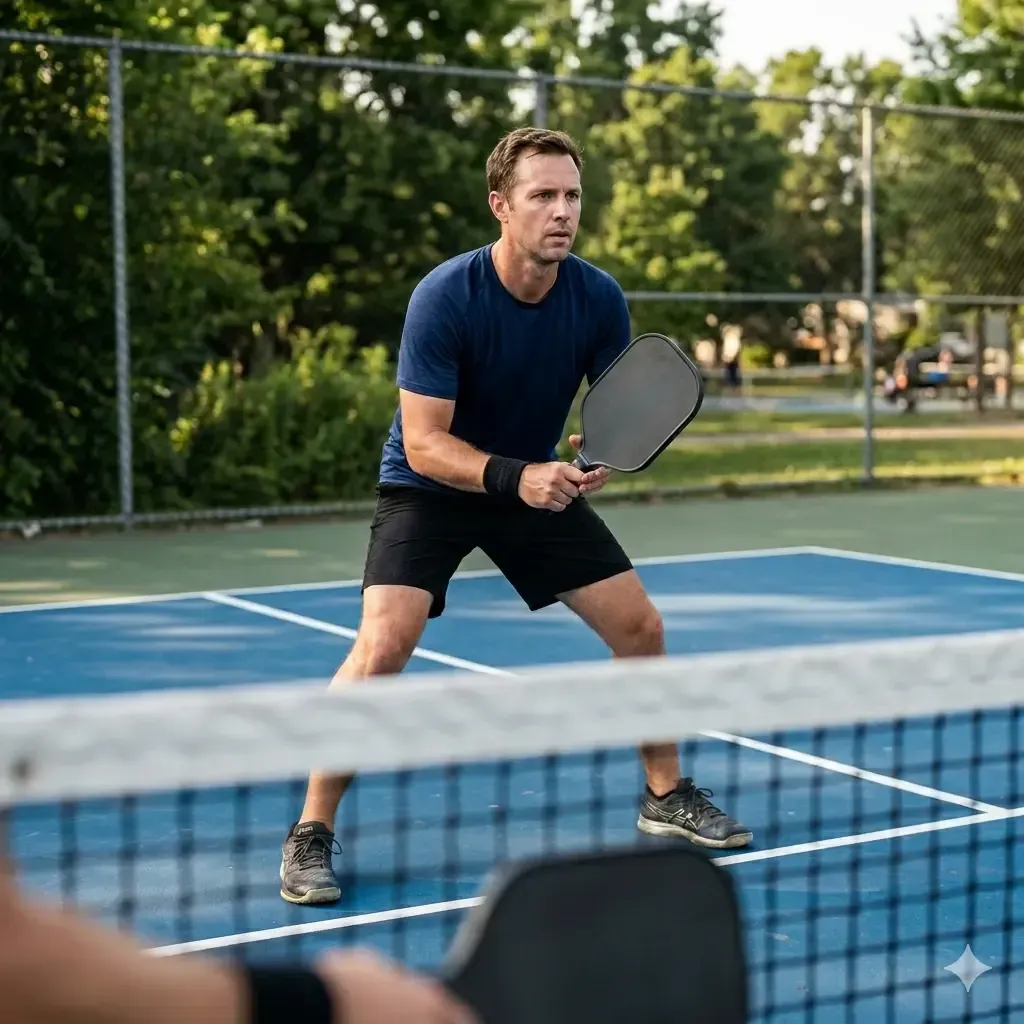
Pickleball vs Tennis: Understanding the Key Differences
Walk past almost any public park today and you’ll likely hear a sharp pop-pop-pop sound coming from the courts. That distinctive noise is one of the clearest signs of pickleball’s rapid rise in popularity. Many new players watching the game for the first time immediately wonder about the difference between pickleball and tennis. While the two sports share similarities—nets, paddles or racquets, and a competitive court environment—the experience of playing them feels quite different.
Tennis has long been associated with powerful serves, long baseline rallies, and high endurance. Pickleball, on the other hand, uses a smaller court and a slower plastic ball, creating a game that focuses more on reflexes, placement, and strategy. According to USA Pickleball, the sport was designed to blend elements of tennis, badminton, and table tennis into a game that players of all ages can enjoy.
Because of its accessibility, many parks and recreation centers are adding pickleball courts to existing facilities. Professional court surfacing companies such as Ace Coatings South are increasingly helping communities adapt older tennis courts into modern multi-sport spaces.
Pickleball vs Tennis Equipment: Paddle and Ball Differences
One of the most obvious distinctions between the two sports is the equipment players use. Tennis relies on a stringed racquet, which allows players to generate significant power and spin when striking the ball. The string tension acts almost like a trampoline, launching the ball across the court with speed.
Pickleball equipment is designed differently. Players use a solid paddle, typically made from composite or graphite materials. Instead of focusing on power, the paddle emphasizes control and quick reaction shots, which suits the faster exchanges near the net.
The balls used in each sport also play a major role in how the game unfolds.
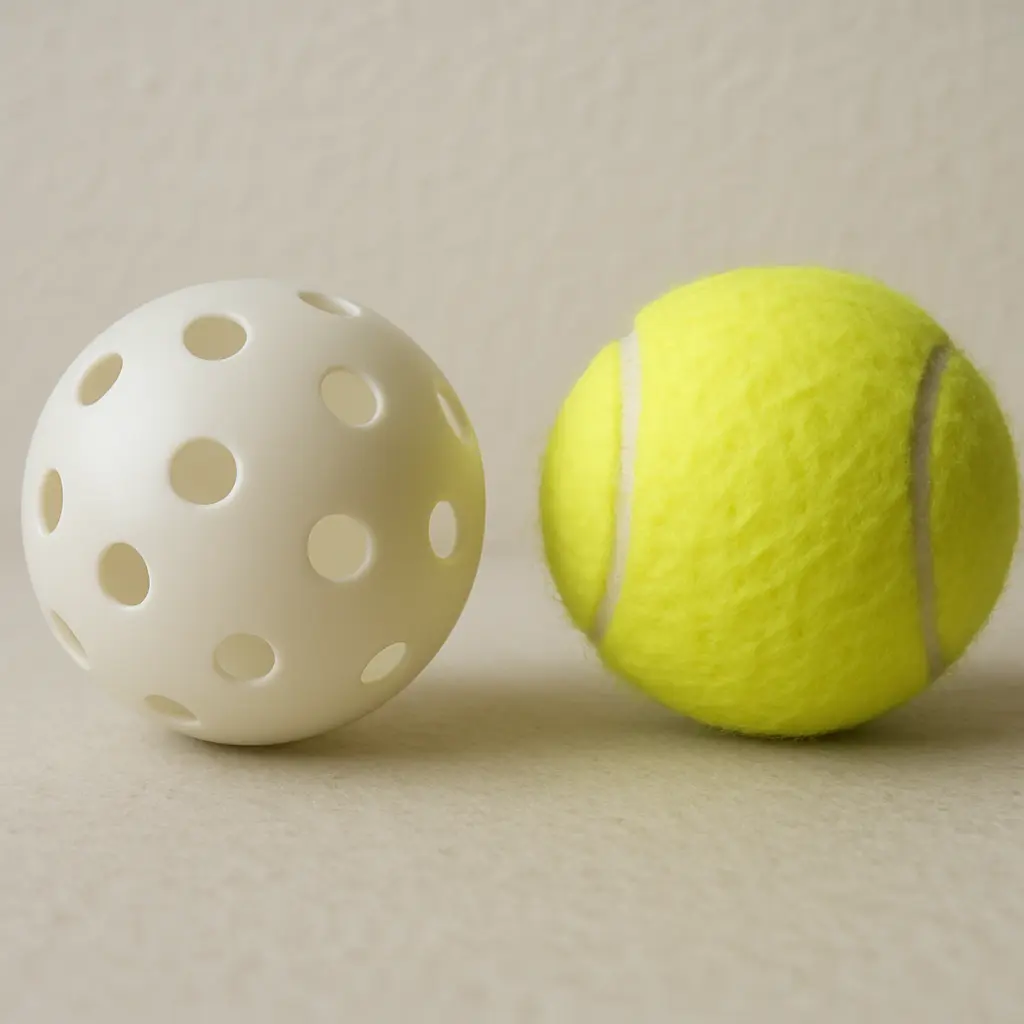
Tennis balls are pressurized rubber balls covered in felt, allowing them to travel quickly and bounce high. Pickleballs are hard plastic balls with small holes, which create air resistance and slow the ball down considerably.
Pickleball vs Tennis Paddle Mechanics
Because of these equipment differences, the way players swing also changes.
Tennis strokes often involve large, sweeping motions designed to create topspin and speed. Pickleball uses shorter, compact strokes, which allow players to react quickly during close-range rallies.
Some notable equipment differences include:
Pickleball paddles weigh around 7–8 ounces
Tennis racquets weigh 10–12 ounces
Pickleballs travel slower because of their perforated design
This lighter equipment makes pickleball easier on the arms and shoulders, especially for beginners.
Court Size Comparison: Pickleball vs Tennis Layout
Another major difference between the sports is the size of the playing surface. A standard tennis court measures 78 feet long and 36 feet wide for doubles play, requiring players to cover significant ground during a match.
Pickleball courts are much smaller.
A regulation pickleball court measures 20 feet by 44 feet, which means you can fit four pickleball courts within the space of a single tennis court.
Why Pickleball Courts Feel More Compact
The reduced court size changes how the sport is played. Tennis players often run long distances to chase powerful shots hit deep into the baseline corners.
Pickleball focuses more on quick reflexes and controlled footwork rather than long sprints. Players rely on short lateral movements and quick reactions near the net.
Because of this smaller footprint, many recreation facilities now convert existing tennis courts into pickleball courts. Resurfacing experts like Ace Coatings South often install blended lines or dual-sport coatings so both games can be played on the same surface.
Rules and Strategy: How Pickleball Changes the Game
Although the equipment and court size already set the sports apart, the rules create even greater differences in gameplay.
Tennis allows volleys anywhere on the court, encouraging aggressive net play and powerful finishing shots. Pickleball introduces a unique rule that completely changes the strategy.
The Non-Volley Zone Rule in Pickleball
Pickleball courts include a 7-foot area near the net called the Non-Volley Zone, often referred to as the kitchen. Players are not allowed to volley the ball while standing inside this zone.
This rule prevents players from dominating the net with constant smashes. Instead, rallies often involve soft shots known as dinks, where players gently place the ball over the net while waiting for an opportunity to attack.
Serving mechanics also differ between the sports.
Tennis uses an overhand serve, often delivered with tremendous speed and spin. Pickleball requires an underhand serve, where the ball must be struck below the waist. The serve’s purpose is simply to begin the rally rather than immediately win the point.
Scoring also works differently. In many recreational pickleball games, points can only be scored by the serving team, which creates longer rallies and more strategic exchanges.
Physical Demands: Tennis vs Pickleball Fitness Benefits
Both sports provide excellent cardiovascular exercise, but they challenge the body in different ways.
Tennis typically demands greater endurance because players must cover larger distances while reacting to powerful shots. Competitive matches can involve hours of running, sprinting, and directional changes.
Pickleball still provides a strong workout, but the smaller court reduces the need for long sprints.
Lower Impact Movement in Pickleball
Because players move across a smaller court, pickleball is often considered lower impact on joints, especially knees and hips. Instead of explosive runs across the court, the game relies on controlled side-to-side movement and quick reactions.
Typical play sessions also differ:
Tennis matches often last 60–90 minutes
Pickleball games usually last 15–20 minutes
This shorter format makes pickleball especially appealing for players with busy schedules or those looking for quick recreational games.
Facilities maintained by Ace Coatings South are increasingly seeing demand for pickleball courts because the sport allows players to stay active without the same level of physical strain required by tennis.
Which Sport Should You Choose?
Both pickleball and tennis offer exciting gameplay and valuable fitness benefits. Tennis delivers a high-intensity experience built around endurance, speed, and powerful strokes. Pickleball offers a more accessible style of play that emphasizes strategy, quick reactions, and social interaction.
Many players actually enjoy both sports depending on the day and their energy level. Some prefer tennis for competitive workouts, while others choose pickleball for relaxed yet engaging matches with friends.
As pickleball continues to grow across the country, communities are investing in high-quality courts to support the sport. Proper surface coatings ensure consistent ball bounce, safe traction, and long-lasting durability.
If you’re planning to build or upgrade a pickleball court for your home, school, or community facility, working with experienced professionals makes a big difference.
Contact us at Ace Coatings South to learn more about professional pickleball court installation, resurfacing, and coating services.
