


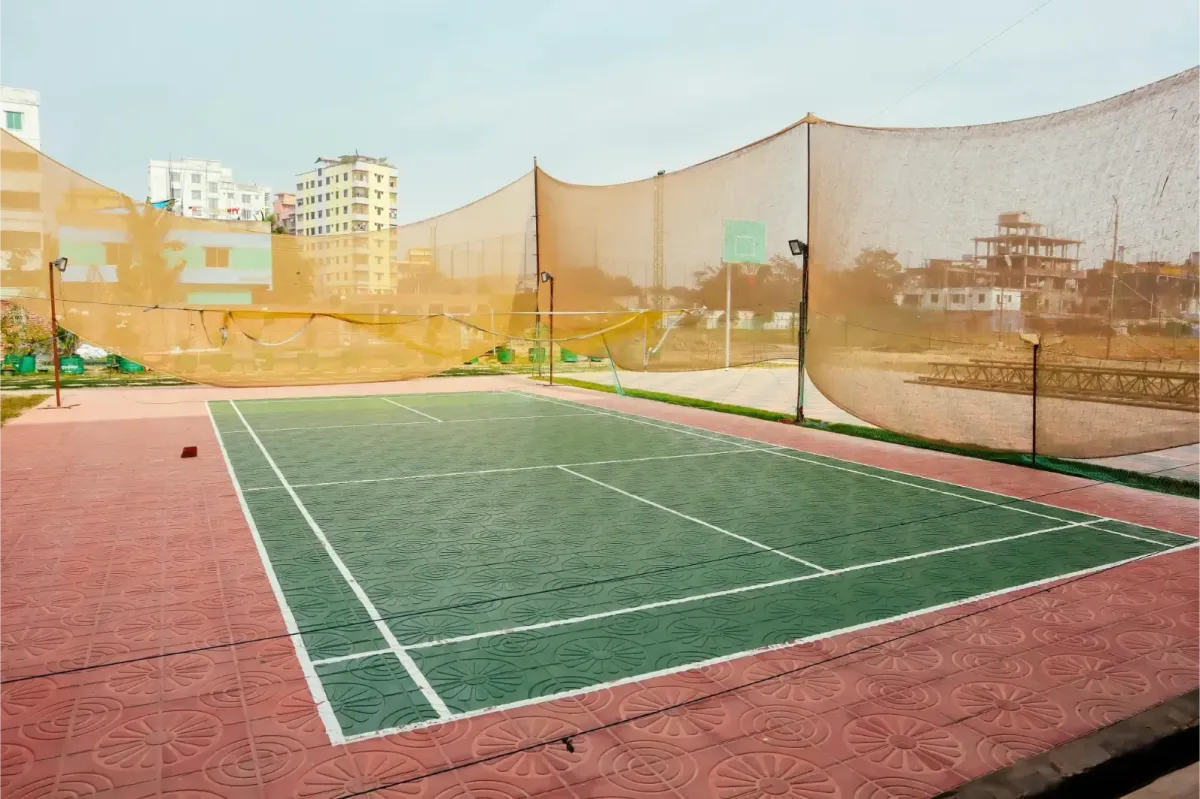
Tennis Court Pickleball Conversion: Turn One Court Into Four
Across the country, communities are rethinking how their recreational spaces are used. Tennis courts that once sat quiet are now being viewed as opportunities to meet exploding demand for pickleball. A well-planned Tennis Court Pickleball Conversion can transform a space designed for four players into a vibrant hub supporting up to sixteen people at the same time—without acquiring new land or building from scratch.
This guide explains how the four-court conversion works, why it has become the most widely adopted solution, and what technical, cost, and planning factors determine whether a conversion delivers long-term success or short-lived frustration.
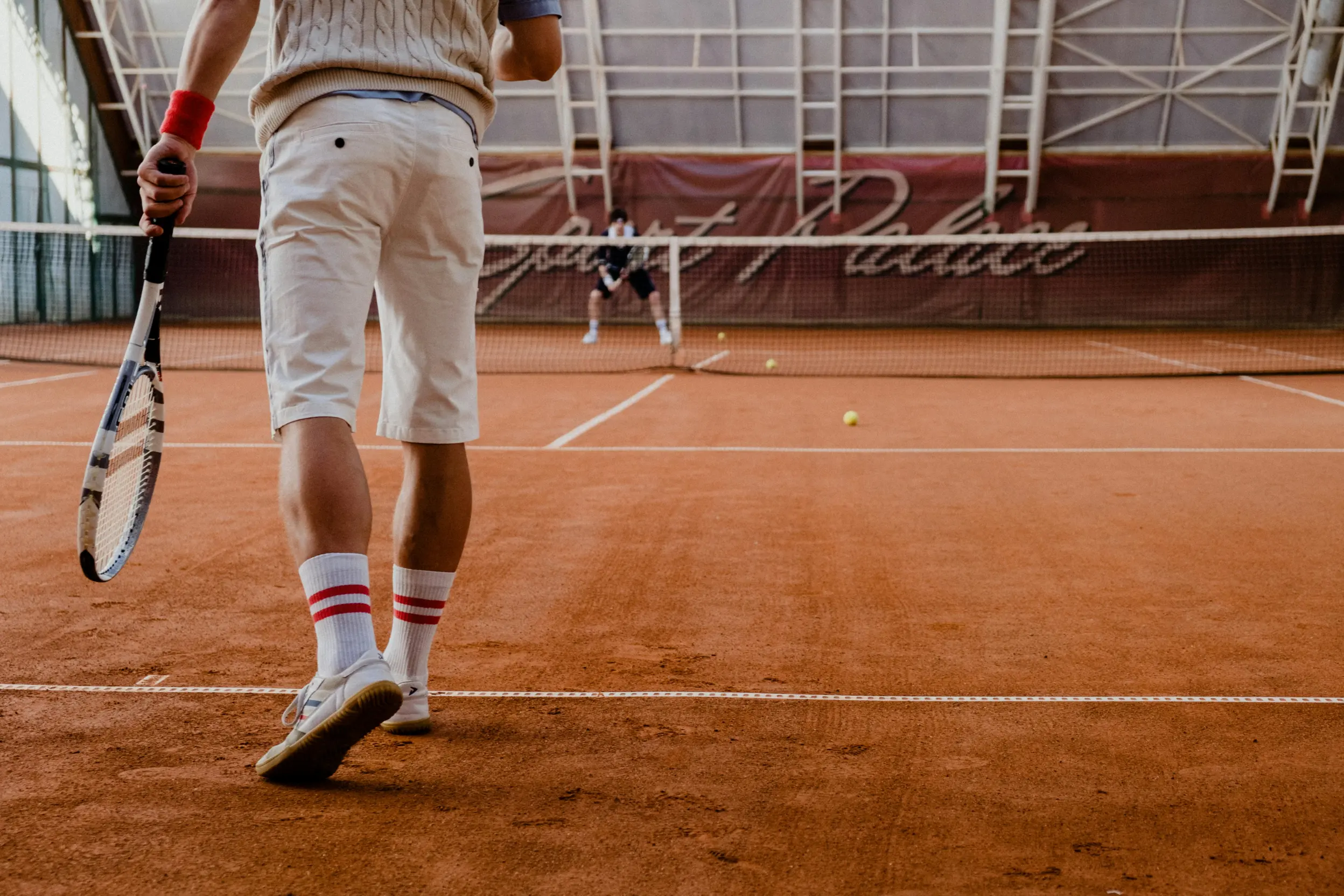
Tennis Court Pickleball Conversion: Why Four Courts Fit So Well
The reason one tennis court can accommodate four pickleball courts is not guesswork—it’s geometry. Pickleball courts are significantly smaller, and when oriented correctly, they fit within the footprint of a standard tennis court while preserving safe play areas.
A regulation pickleball court measures 20 feet wide by 44 feet long, including the non-volley zone. A standard tennis court provides enough usable space to divide that area into four equal quadrants, each capable of hosting a full pickleball game.
This four-to-one layout has become the national norm because it maximizes participation while keeping construction costs low. Contractors such as Ace Coatings South frequently recommend this configuration for parks and clubs facing long wait times and underutilized tennis facilities.
Tennis Court Pickleball Conversion: Understanding the Orientation
The key to making the layout work is orientation. Pickleball courts are placed perpendicular to the tennis net, not lengthwise. Two pickleball courts are installed side-by-side on each half of the tennis court, forming a balanced two-by-two grid.
In this setup:
The original tennis net line becomes a shared baseline
The tennis net is removed or lowered
Portable pickleball nets are used to divide courts
This orientation preserves correct net height and spacing while allowing all four courts to function independently.

Tennis Court Pickleball Conversion: Temporary, Blended, or Dedicated Options
Once the layout is understood, the next decision is permanence. Communities typically choose one of three approaches based on usage, budget, and long-term goals.
Tennis Court Pickleball Conversion: Temporary DIY Setups
Temporary conversions are ideal for testing demand. Using painter’s tape, court-marking tape, or chalk, a playable court can be created in under an hour for very little cost. Portable pickleball nets provide proper net height and game feel.
This approach works well for:
Pilot programs
Community events
Short-term programming
However, it requires frequent re-marking and is not suitable for high-traffic facilities.
Tennis Court Pickleball Conversion: Blended Line Courts
Blended courts are the most popular long-term solution. Pickleball lines are professionally painted in a contrasting color over existing tennis lines, creating a dual-use surface ready for either sport at any time.
This option:
Preserves tennis functionality
Reduces wait times for pickleball
Offers excellent cost efficiency
Many municipalities rely on specialists like Ace Coatings South to ensure line accuracy, color contrast, and surface compatibility for blended courts.

Tennis Court Pickleball Conversion: Costs, Standards, and Long-Term Value
Conversion costs vary widely depending on scope:
Temporary setup: under $100
Professional blended lines: $400–$1,000
Full resurfacing and dedication: $5,000+
Professional installations follow dimensional and surface guidelines consistent with USA Pickleball, ensuring proper spacing, visibility, and safe play conditions.
Surface condition matters. Courts with cracking, pooling water, or worn coatings often require resurfacing before conversion. Experienced contractors—including Ace Coatings South—evaluate drainage, slope, and substrate condition to prevent premature failure and unnecessary rework.
When a Dedicated Conversion Makes Sense
In some facilities, pickleball demand clearly outweighs tennis use. When courts consistently sit unused by tennis players while pickleball waitlists grow, a dedicated conversion may be the best option.
Dedicated conversions remove tennis lines entirely and repaint the surface exclusively for pickleball. This creates:
Clear, uncluttered visuals
Improved player experience
Better suitability for leagues and tournaments
While more expensive, this approach often delivers the highest long-term return in pickleball-focused communities.
From Underused Court to Community Hub
A tennis court conversion is not just a layout change—it’s a shift in how space serves people. One court becomes four games. Four players become sixteen. Idle space becomes a social, active gathering point.
The right conversion strategy depends on your goals, budget, and demand levels. Temporary lines test interest. Blended courts maximize flexibility. Dedicated conversions signal full commitment. With thoughtful planning and professional execution, a single tennis court can become the most active feature in your facility.
Contact us at Ace Coatings South to evaluate your court, explore conversion options, and plan a solution that delivers lasting value for your community.
