

When a Townhouse Pickleball Court Needs Resurfacing in South Utah
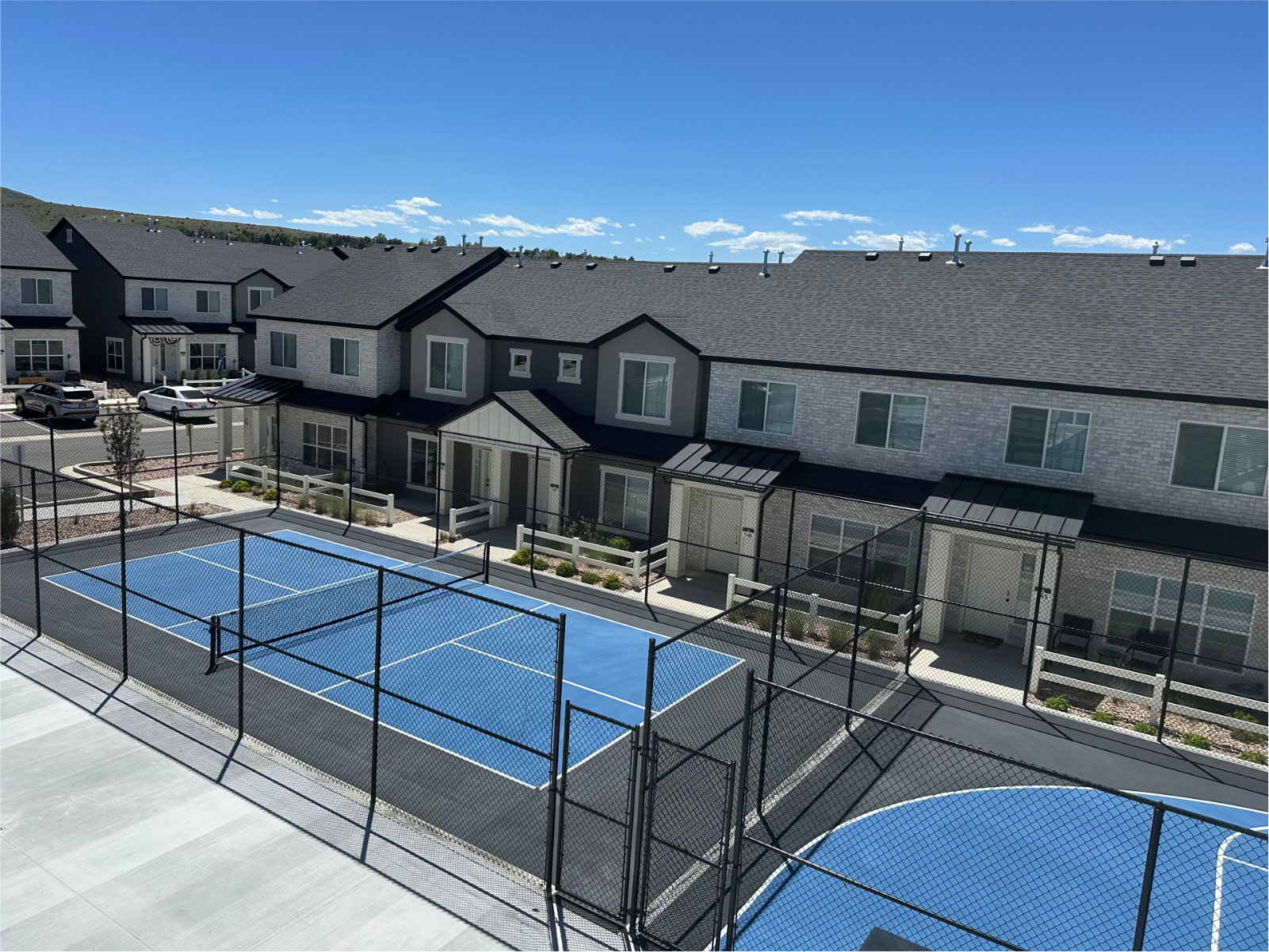
Townhouse communities are built around shared convenience, and a well-kept pickleball court can become one of the most-used amenities on the property. In a region known for sun exposure, dry air, seasonal temperature swings, and active outdoor living, resurfacing of pickleball court at a townhouse in South Utah is often the difference between a court that feels worn down and one that residents are excited to use again.
For HOA boards, property managers, and townhouse owners, resurfacing is not just about improving appearance. It affects safety, playability, maintenance costs, resident satisfaction, and the long-term value of the community’s recreation space. A faded or cracked court may seem cosmetic at first, but small surface problems can quickly turn into tripping hazards, drainage issues, inconsistent bounce, and complaints from players.
That is why resurfacing should be approached as a planned capital improvement, not a last-minute repair. A professional evaluation from Ace Coatings South can help determine whether the court needs basic color coating, crack repair, leveling, or a more complete surface restoration.
Why resurfacing of pickleball court at a townhouse in South Utah matters for shared amenities
In a townhouse community, a pickleball court serves more than one household. It may be used by families, retirees, guests, renters, league players, and residents with different skill levels. Because the court is shared, its condition directly affects the experience of the entire community.
A worn court can create several problems. Faded lines make calls harder. Slick areas increase the risk of slips. Cracks can catch shoes or allow water to enter the base. Low spots can collect rainwater, dust, or debris. Uneven ball bounce can make games frustrating, especially for residents who play regularly.
South Utah’s climate makes surface care especially important. Strong UV exposure can fade coatings and make older surfaces brittle. Temperature changes can cause expansion and contraction in the court base. Wind can carry dust and grit across the surface, creating abrasion over time. Even in drier areas, sudden storms can expose drainage problems that may not be obvious during casual inspection.
For townhouse communities, resurfacing also supports property appeal. A clean, well-marked court signals that the HOA or management team is taking care of shared spaces. It can improve resident satisfaction, help support rental appeal, and make the property feel more active and welcoming.
Signs resurfacing of pickleball court at a townhouse in South Utah is overdue
Not every court needs full resurfacing at the first sign of wear, but certain issues should not be ignored. The earlier a community identifies surface damage, the easier it is to manage repair costs.
Common warning signs include:
Faded or difficult-to-see boundary lines
Hairline cracks spreading across the playing area
Birdbaths, puddles, or low spots after rain
Peeling, flaking, or worn color coating
Slick patches where traction has deteriorated
Rough areas that collect dirt or damage balls
Uneven bounce near cracks or patched sections
Resident complaints about safety or play quality
A simple visual check after rain can reveal a lot. If water remains on the surface long after nearby pavement has dried, the court may have low areas that need attention. If cracks are widening or showing signs of movement, they should be evaluated before applying new coatings.
It is also important to consider usage. A lightly used private court may last longer between resurfacing cycles than a townhouse amenity used daily by many residents. Shared courts often benefit from more proactive maintenance because wear is spread across a larger number of players.
The process for resurfacing of pickleball court at a townhouse in South Utah
A successful resurfacing project starts with inspection. The court surface, base condition, drainage, cracks, coatings, line layout, fencing, and surrounding area should all be reviewed before work begins. This helps determine whether the project is a simple refresh or a more involved restoration.
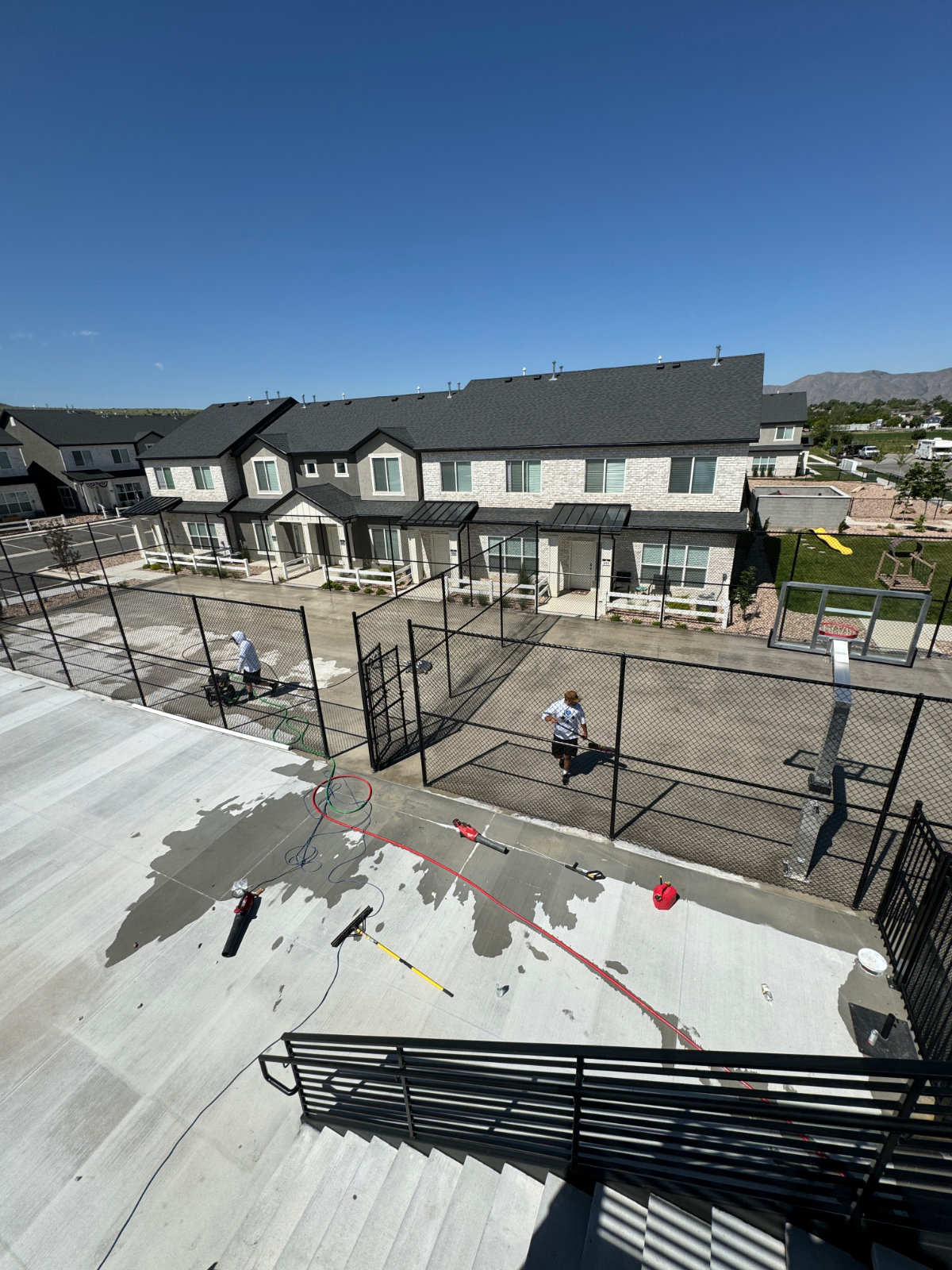
The first step is usually cleaning. Dirt, dust, algae, loose coating, and debris must be removed so new materials can bond properly. In South Utah, windblown dust and fine grit can settle into surface texture, so proper cleaning is especially important.
Next comes crack repair. Not all cracks are the same. Some are minor surface cracks, while others may indicate base movement. A professional contractor will determine the best repair method based on the crack type, width, and location. While no outdoor court repair can guarantee that structural movement will never reappear, proper preparation can improve performance and help extend the life of the resurfaced court.
Low spots may also need correction. These are often called birdbaths because they hold water after rain or cleaning. Birdbaths can create slippery areas, stain the surface, and weaken coatings over time. Leveling materials may be used to improve drainage and create a more consistent playing area.
After repairs, resurfacing materials are applied. Many pickleball courts use acrylic coating systems designed for sports play. These coatings provide color, texture, traction, and consistent ball response. Depending on the court’s condition and the community’s goals, the resurfacing system may include multiple layers.
Finally, new playing lines are measured and painted. Accurate striping is essential. Even a freshly coated court can feel unprofessional if the lines are crooked, too wide, or incorrectly placed. USA Pickleball provides recognized court dimension guidance, and careful layout helps ensure that the finished court supports fair and enjoyable play.
HOA planning for resurfacing of pickleball court at a townhouse in South Utah
For townhouse communities, resurfacing requires coordination beyond the technical work. HOA boards and property managers should plan around budget timing, resident communication, access limitations, curing time, and amenity scheduling.
Before the project begins, the board should clarify the scope of work. Is the goal to restore the existing pickleball layout, convert a tennis court into pickleball courts, add blended lines, improve drainage, or upgrade the color scheme? Clear expectations help reduce change orders and confusion.
Resident communication is also important. The court will need to be closed during cleaning, repairs, coating, striping, and curing. Giving residents advance notice helps avoid frustration. A simple notice can explain why the resurfacing is being done, how long the court will be unavailable, and what improvements residents can expect.
Budget planning should include more than the visible surface. If the court has drainage problems, base movement, or severe cracking, the lowest resurfacing bid may not be the best long-term value. A slightly more thorough repair approach can often reduce future maintenance complaints and extend the usable life of the court.
Color selection should also be discussed early. Traditional court colors often use contrasting shades for the playing area and surrounding zones. The goal is to improve visibility, reduce glare, and create a clean appearance that fits the community. In sunny South Utah conditions, color choices should balance aesthetics with play comfort.
Long-term value from resurfacing of pickleball court at a townhouse in South Utah
A resurfaced pickleball court can bring immediate and long-term benefits to a townhouse community. Residents notice the difference quickly: brighter lines, better traction, cleaner appearance, and a more enjoyable game. For property managers, resurfacing can also reduce complaints related to safety and court condition.
The long-term value depends on maintenance. Once the court is resurfaced, the community should adopt a simple care routine. Regular cleaning helps prevent dust, leaves, and debris from wearing down the coating. Landscape maintenance can reduce staining from irrigation overspray, plant debris, or soil runoff. Residents should be discouraged from using bikes, skateboards, heavy furniture, or sharp equipment on the court surface.
Routine inspections are also useful. A property manager or maintenance team can check the court after storms, seasonal changes, or high-use periods. Small issues such as early cracking, staining, or debris buildup are easier to address before they become larger problems.
The resurfacing timeline will vary based on usage, weather exposure, surface system, and maintenance quality. Courts in high-sun environments may show fading sooner than shaded courts, while heavily used community courts may wear faster than private residential courts. A good maintenance plan can help the HOA budget for future resurfacing instead of reacting to problems after the surface has already declined.
Maintenance after resurfacing of pickleball court at a townhouse in South Utah
After resurfacing is complete, the court should be protected during its curing period. Residents should not resume play until the contractor confirms the surface is ready. Playing too early can mark the coating, affect line quality, or shorten the life of the finish.
Recommended maintenance practices include:
Sweep or blow off dust and debris regularly
Rinse the surface when buildup becomes visible
Remove leaves, berries, and organic matter quickly
Keep sprinklers from spraying onto the court
Trim nearby landscaping to reduce debris
Avoid dragging benches, chairs, or equipment
Inspect cracks and low spots at least seasonally
Use court-safe cleaning methods instead of harsh chemicals
It is also helpful to post simple court-use guidelines. In a townhouse setting, shared expectations can prevent unnecessary wear. Rules may include approved footwear, no wheeled vehicles, no food or sticky drinks on the surface, and no unauthorized equipment.
A resurfaced court should feel like a renewed amenity, not just a repaired slab. When done well, it gives residents a safer, cleaner, and more consistent place to play. It can encourage social activity, support healthier lifestyles, and make the community’s outdoor space more valuable.
For HOAs and property managers, the key is to work with a team that understands both sports-surface performance and community-property logistics. Ace Coatings South can help evaluate court condition, recommend appropriate resurfacing options, and support a practical plan that fits the needs of townhouse communities in South Utah.
A pickleball court is one of the most visible recreational features a townhouse property can offer. When it is faded, cracked, or slippery, residents notice. When it is smooth, bright, and properly maintained, they notice that too. Resurfacing is a smart way to protect the amenity, improve everyday play, and show residents that shared spaces are being cared for with intention.
For communities planning their next court improvement, Ace Coatings South can provide expert-backed guidance on resurfacing needs, repair priorities, and long-term court maintenance.
